
Explore Modern Psychiatry

Psychotherapy + Antidepressants Outperform Medication Alone Long-Term
Current guideline recommendations are mostly based on short-term efficacy of acute treatment. However, a 2024 Frontiers systematic review and meta-analysis found that combined treatment consistently outperformed antidepressants alone across multiple long-term outcomes, including significantly fewer rehospitalizations, more frequent sustained remission, and lower relapse rates.

Technology and Psychiatric Treatment
Technology is becoming a core component of psychiatric treatment — not just a convenience. A 2025 randomized clinical trial in npj Digital Medicine (Nature) demonstrated that a digital medication system combining real-time dose monitoring with a caregiver-linked app significantly improved medication adherence in patients with severe mental disorders. Alongside this, a 2025 series in The American Journal of Managed Care examined the growing role of prescription digital therapeutics (PDTs) — FDA-regulated, software-delivered interventions for depression, anxiety, schizophrenia, PTSD, insomnia, and substance use — available to patients in real time, on the devices they already use. Future PDTs are expected to incorporate AI, allowing programs to adapt dynamically to each individual. Together, these advances signal a new era where technology supports every step of the treatment journey.

Moving Through Depression: What the Science Says About Exercise as Treatment
Exercise is increasingly recognized not just as a lifestyle recommendation, but as an active, evidence-based treatment for depression. A landmark 2024 systematic review and network meta-analysis published in The BMJ by Noetel and colleagues analyzed 218 studies involving 14,170 participants to identify the optimal dose and modality of exercise for alleviating major depressive disorder. The review found that different exercise types produce meaningfully different effects — with yoga emerging among the strongest interventions. The findings help clinicians move beyond generic exercise advice toward more personalized, evidence-informed movement prescriptions as part of a comprehensive treatment plan.

Augmentation strategies for treatment resistant major depression
When a first antidepressant brings only partial relief, switching medications entirely isn’t the only option. A large meta-analysis analyzing 65 clinical trials with over 12,000 patients confirmed that strategically adding a complementary agent—such as a low-dose dopamine regulator, thyroid support, or lithium—significantly increases clinical response and full remission rates. By combining treatments with complementary brain mechanisms, we can target lingering fatigue, low mood, and apathy much more effectively.

Lithium: Still the Gold Standard for Long-Term Mood Stabilization
Despite decades of newer medications entering the market, lithium remains one of psychiatry's most enduring and effective treatments. Recognized as the gold-standard maintenance treatment for bipolar disorder by major international guidelines, lithium has demonstrated robust benefits not only in preventing manic and depressive relapse, but also in reducing the risk of suicide — an effect largely unique among mood stabilizers. Research has reported that lithium may reduce the risk of suicide attempts and death by 60–80%, with benefits extending to patients with recurrent unipolar depression as well as bipolar disorder. A landmark 2026 study using nationwide cohorts from Sweden and Finland, following over 165,000 patients for an average of 9 years, further confirmed lithium's foundational role while identifying combination strategies for patients with inadequate response. For those who respond well, lithium offers something rare in psychiatric treatment: durable, long-term stabilization backed by decades of evidence.
Pharmacogenomic Testing in Treatment
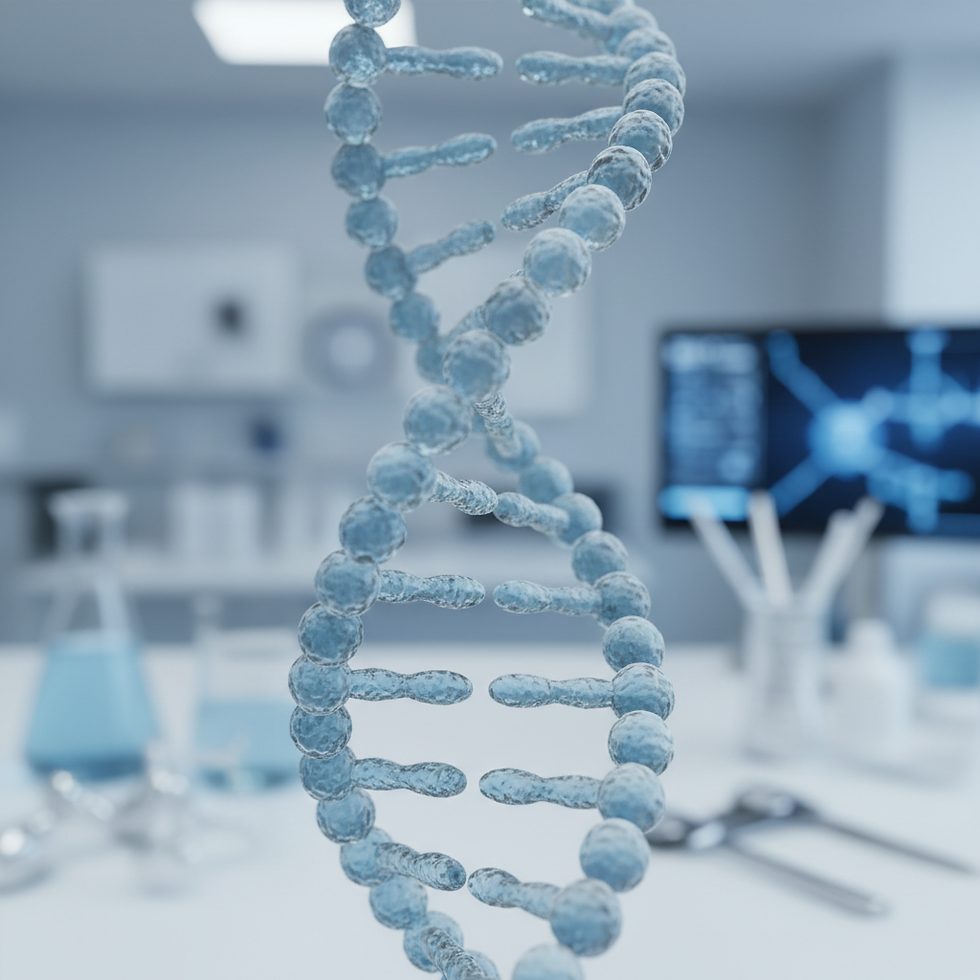
Not everyone responds to antidepressants in the same way — and increasingly, science tells us that your genetics may explain why. Pharmacogenomic testing examines variations in key genes, particularly CYP2D6 and CYP2C19, which play a central role in how the body metabolizes many antidepressants. A 2025 narrative review published in PubMed Central, analyzing over 50 relevant studies, found that variations in these genes can significantly impact both drug efficacy and tolerability — and that as many as 85% of patients tested had non-normal metabolizer phenotypes, meaning the majority may be predisposed to either adverse drug reactions or ineffective responses without ever knowing it. A 2026 study in The Pharmacogenomics Journal further demonstrated that patients with reduced function in both enzymes showed a 30% relative reduction in antidepressant effectiveness compared to those with normal enzyme function. As genetic testing becomes more accessible, it offers a meaningful path toward smarter, safer prescribing — and fewer months spent on medications that may not be the right fit.